Tub-to-Shower Conversions in NJ: What Every Homeowner Needs to Know
Considering converting your bathtub to a walk-in shower in New Jersey? Learn about permits, waterproofing, accessibility benefits, and what to expect from the process.
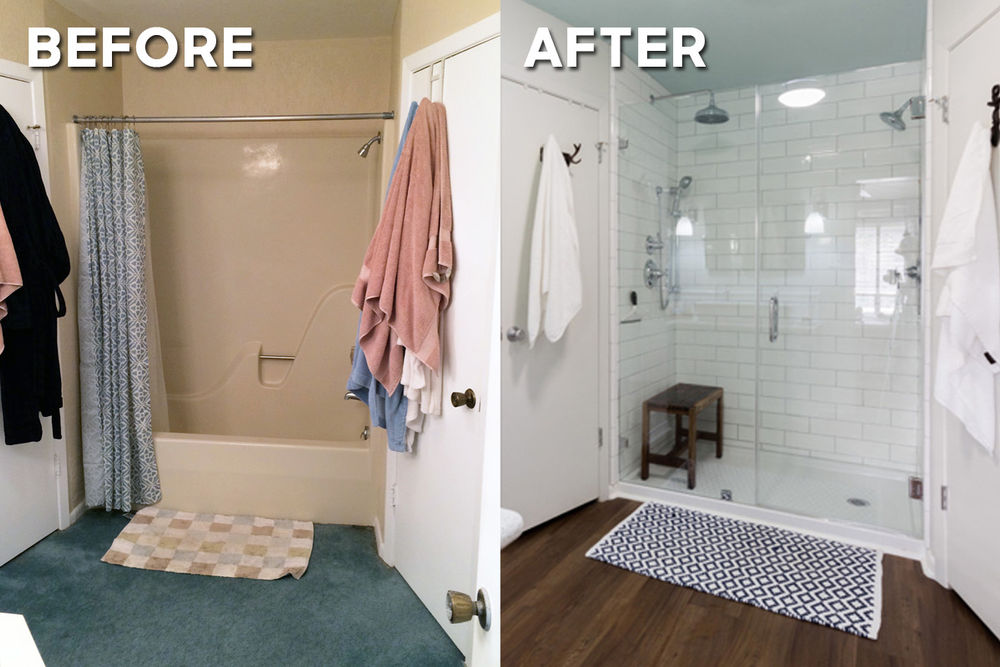
Tub-to-shower conversions have become one of the most requested bathroom remodeling projects across New Jersey. Whether driven by a desire for better accessibility, a more modern look, or simply a bathroom that fits the way you actually use it, homeowners throughout the state are rethinking the traditional bathtub. If you are considering this type of conversion, there are several important factors to understand before the project begins -- from New Jersey permit requirements to waterproofing standards and design decisions that can impact your home's long-term value.
Why NJ Homeowners Are Making the Switch
Accessibility and Aging in Place
New Jersey has one of the oldest median populations in the country, and many homeowners are proactively modifying their bathrooms to support aging in place. A walk-in shower eliminates the need to step over a high bathtub wall, which is one of the most common sources of bathroom falls. For households with elderly family members or anyone with mobility challenges, this conversion can be a critical safety improvement. Many families in towns across Somerset, Middlesex, and Union counties are making this change not because of an immediate need, but because planning ahead avoids the rush and cost of emergency renovations later.
Modern Aesthetics and Functionality
Open shower designs create a sense of space that a bulky bathtub simply cannot match. In many New Jersey homes -- particularly those built in the 1970s through 1990s -- bathrooms were designed around standard alcove tubs that now feel dated. Replacing that tub with a tiled walk-in shower instantly updates the look of the room and makes the space feel larger and more intentional. Glass enclosures, linear drains, and large-format tile all contribute to a clean, contemporary appearance that aligns with current design preferences.
Resale Value Considerations
Updated bathrooms consistently rank among the top features that New Jersey homebuyers look for. A well-executed tub-to-shower conversion signals that the home has been maintained and modernized. While the specific impact on resale value depends on the quality of materials and workmanship, real estate professionals across the state generally agree that a modern, properly waterproofed shower is a strong selling point -- especially in competitive markets like Central New Jersey.
NJ Permit Requirements for Tub-to-Shower Conversions
In New Jersey, any bathroom remodel that involves plumbing modifications requires a permit from your local building department. A tub-to-shower conversion almost always involves relocating or modifying the drain, adjusting supply lines, and potentially altering the vent stack. These changes fall squarely under the jurisdiction of the New Jersey Uniform Construction Code (UCC).
The permit process typically involves submitting plans to your municipality's construction office, scheduling inspections at key stages (rough plumbing and final), and ensuring all work is performed by a licensed contractor. Skipping permits is not just a legal risk -- it can also create complications when you sell your home, as unpermitted work may surface during a buyer's inspection and jeopardize the transaction.
Each municipality in New Jersey handles permits slightly differently, so timelines and fees will vary depending on whether you are in Bridgewater, Edison, Woodbridge, or elsewhere. A knowledgeable contractor will be familiar with local requirements and can handle the permit application process on your behalf.
Waterproofing: The Most Critical Step
The single most important element of any tub-to-shower conversion is the waterproofing system. Without proper waterproofing, moisture will eventually migrate behind the tile, into the subfloor, and through the framing -- leading to mold, rot, and structural damage that is far more expensive to repair than the original remodel.
At Symmetrical Wolf, we use Schluter Systems for all of our shower waterproofing. As certified Schluter installers, we apply the KERDI membrane system, which creates a continuous waterproof barrier behind the tile on walls and floors. This system also includes integrated vapor management, which allows trapped moisture to escape without compromising the waterproof seal. The Schluter KERDI-BOARD and KERDI-LINE drain components work together to create a fully bonded, watertight assembly that meets or exceeds New Jersey building code requirements.
Proper waterproofing is not something that should be value-engineered out of a project. It is the foundation that everything else -- tile, fixtures, glass -- depends on.
Design Options for Your Conversion
One of the advantages of a tub-to-shower conversion is the range of design options available. The right configuration depends on your bathroom layout, your household's needs, and your aesthetic preferences.
Curbless (Zero-Threshold) Showers
A curbless shower eliminates the step-over entirely, creating a seamless transition from the bathroom floor into the shower area. This is the gold standard for accessibility and is required for ADA-compliant designs. Curbless showers require careful slope engineering and a pre-sloped shower tray or mortar bed to direct water toward the drain. When executed correctly, they are both visually striking and highly functional.
Low-Threshold Showers
For homeowners who want improved accessibility without the full engineering requirements of a curbless design, a low-threshold shower with a small curb (typically two inches or less) provides a practical middle ground. This design still significantly reduces the step-over compared to a standard bathtub while providing a reliable water containment barrier.
Glass Enclosures
Frameless or semi-frameless glass doors and panels are the most popular enclosure choice for converted showers in New Jersey. They maximize the feeling of openness and allow tile work and fixtures to remain visible, which reinforces the updated look of the space. Fixed glass panels paired with an open entry are another option for those who prefer not to deal with a swinging door.
Niche and Bench Features
Built-in niches for shampoo and soap storage, as well as a shower bench for seating, are practical additions that enhance daily use. These features are best planned during the design phase so they can be properly waterproofed and integrated into the tile layout.
When You Should Keep the Bathtub
Not every bathroom is a candidate for a tub-to-shower conversion. If your home has only one bathroom, removing the only bathtub can be a drawback for families with young children and may also concern future buyers. The general guidance from real estate professionals in New Jersey is to maintain at least one bathtub in the home. If you have two or more full bathrooms, converting one tub to a shower is typically a straightforward decision. If you have only one, consider whether the accessibility benefits outweigh the potential impact on your home's appeal to a broader range of buyers.
ADA and Accessibility Considerations
If a member of your household uses a wheelchair or has significant mobility limitations, you may want to design the shower to meet ADA (Americans with Disabilities Act) guidelines. While ADA compliance is not required in private residences, following these standards ensures the shower will be usable for the widest range of physical abilities. Key ADA considerations include a curbless entry, a minimum 36-inch-wide opening, grab bars installed into blocking behind the tile, a hand-held showerhead on an adjustable slide bar, and a fold-down or built-in bench. Even if full ADA compliance is not your goal, incorporating some of these elements -- particularly grab bars and a hand-held showerhead -- adds practical value at minimal additional cost.
Working with the Right Contractor
A tub-to-shower conversion involves plumbing, waterproofing, tile installation, and potentially electrical work for lighting or ventilation upgrades. It is not a single-trade project, and coordinating these disciplines properly is essential to a successful outcome. Working with a contractor who understands New Jersey's building codes, holds the appropriate licenses, and has documented experience with waterproofing systems like Schluter will give you confidence that the finished shower will perform as well as it looks.
At Symmetrical Wolf, we have completed tub-to-shower conversions throughout Central New Jersey and bring certified Schluter installation expertise to every project. We handle the full scope of work from design through final inspection, ensuring that your new shower is built to last.
Related Articles:
- Schluter Systems: The Preferred Choice for Waterproofing
- Navigating the Permit Process for a Bathroom Remodel
- Tub to Shower Conversions
Related Services: