Restaurant Renovation in NJ: How to Remodel Without Losing Revenue
Planning a restaurant renovation in New Jersey? Learn how to phase construction, meet health codes, stay ADA compliant, and keep your doors open during the remodel.
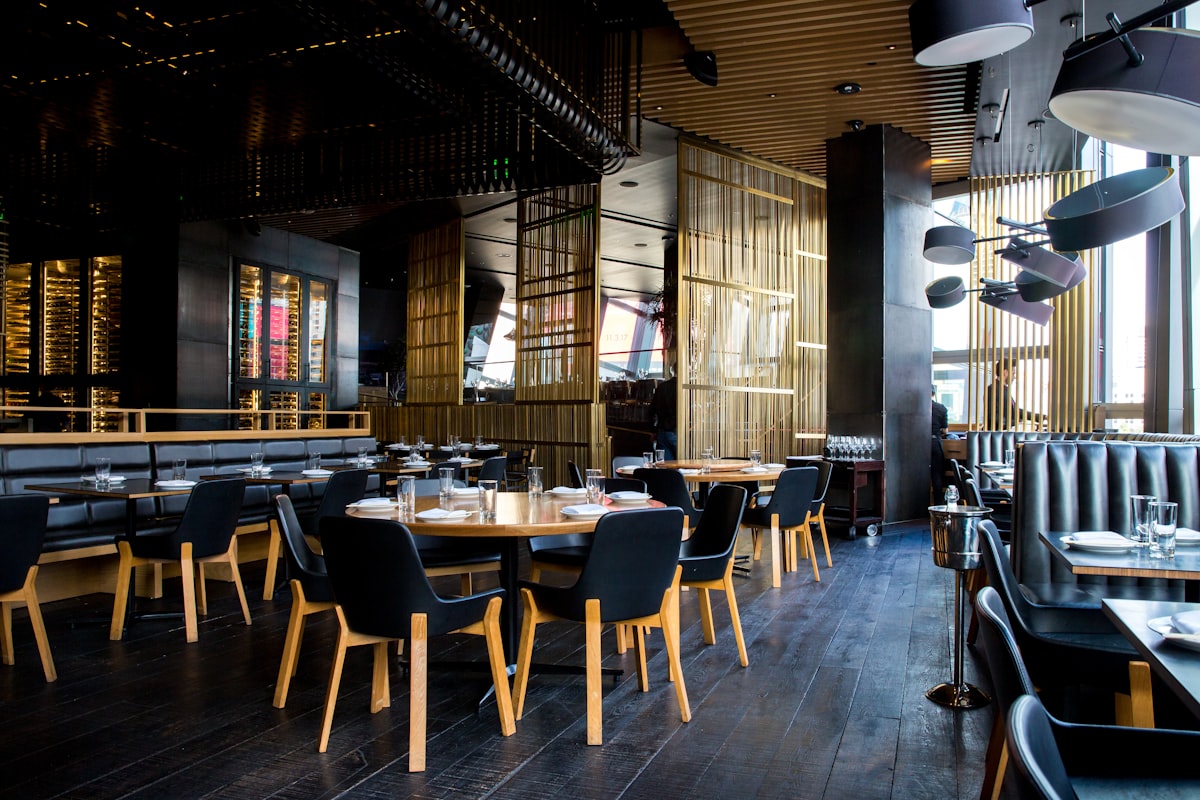
Renovating a restaurant while keeping it open for business is one of the most challenging projects a commercial property owner or operator can take on. Every day of lost revenue matters, and in the restaurant industry, even a partial closure can push loyal customers to competitors who are happy to take their place. The good news is that with the right contractor and a carefully structured plan, a full restaurant renovation in New Jersey can be executed without shutting your doors. The key is phased construction, strict coordination with municipal authorities, and a deep understanding of the health and safety requirements that govern food service establishments in this state.
The Phased Construction Approach
A phased renovation divides the project into distinct sections so that a portion of the restaurant remains operational at all times. This is not simply a matter of putting up a temporary wall and hoping for the best. It requires detailed planning around seating capacity, kitchen access, utility systems, fire exits, and customer flow.
The most common approach is to renovate the dining area in halves or thirds while maintaining full kitchen operations. Once the front-of-house work is complete, the kitchen renovation can begin, often with a temporary cooking setup or a modified menu that allows service to continue using equipment that is not under construction. In some cases, outdoor or patio seating can absorb displaced capacity during warmer months.
Each phase must be self-contained, meaning it has its own dust and debris containment, noise management plan, and dedicated access routes for construction crews that do not cross paths with customers or food preparation areas. Negative air pressure barriers, sealed plastic partitions, and HEPA filtration are standard requirements when construction occurs adjacent to active food service zones.
The phased approach requires more coordination than a full shutdown renovation, but the return on that effort is significant. Your restaurant stays open. Your staff stays employed. Your customers stay loyal.
Meeting NJ Health Department Requirements During Construction
The New Jersey Department of Health and local health departments take an active role in overseeing restaurant renovations. Any construction that affects the kitchen, food storage, restrooms, or handwashing stations triggers a review process, and inspectors may visit the site during construction to verify compliance.
Key requirements include maintaining uninterrupted access to handwashing stations at all times during the renovation, ensuring that food preparation and storage areas are completely sealed off from construction zones, keeping pest control measures in place so that openings in walls or ceilings do not create entry points for rodents or insects, and maintaining proper refrigeration and food storage temperatures throughout every phase of the project.
Your contractor must understand the NJ State Sanitary Code (N.J.A.C. 8:24) and how it applies to active construction environments. A renovation that triggers a health code violation can result in a temporary shutdown order, which is exactly the outcome this entire approach is designed to avoid. At Symmetrical Wolf, we coordinate directly with local health departments before and during construction to ensure that every phase of the renovation maintains full compliance.
ADA Compliance for Dining Areas and Restrooms
A restaurant renovation is a triggering event for ADA compliance under federal and New Jersey state accessibility standards. When you invest in a significant remodel, the law requires that you bring your facility up to current accessibility standards to the maximum extent feasible. This applies to the dining area, restrooms, entryways, service counters, and exterior paths of travel.
Common ADA requirements that come into play during a restaurant renovation include maintaining accessible routes with a minimum clear width of 36 inches throughout the dining area, ensuring that at least five percent of seating is accessible and distributed among the different types of seating available, installing compliant restroom fixtures including grab bars, accessible stall dimensions, and proper clearances around lavatories, providing accessible service counters with a lowered section no higher than 34 inches, and ensuring that the entrance, parking, and exterior path of travel meet current standards.
Failing to address ADA requirements during a renovation exposes the business to complaints filed with the Department of Justice and potential lawsuits under the Americans with Disabilities Act. Beyond legal compliance, an accessible restaurant simply serves more customers and creates a better experience for everyone.
Kitchen Equipment Upgrades
A renovation is the ideal time to evaluate and upgrade kitchen equipment. Aging commercial appliances consume more energy, require more frequent repairs, and often fail to meet current efficiency standards. Replacing outdated equipment during the renovation, rather than as a separate project later, eliminates redundant disruption and allows the contractor to properly integrate new units into the electrical, plumbing, gas, and ventilation systems.
Modern commercial kitchen equipment offers significant improvements in energy efficiency, cooking consistency, and safety. High-efficiency exhaust hoods, energy-rated refrigeration units, and induction cooking systems can reduce utility costs meaningfully over the life of the equipment. New ventilation systems also improve air quality for staff and can reduce HVAC load in the dining area.
When upgrading kitchen equipment, your contractor must coordinate with the local fire marshal and building department. Changes to gas lines, exhaust systems, or fire suppression equipment require permits and inspections in every New Jersey municipality. Integrating these upgrades into the renovation timeline avoids separate permit applications and inspection visits down the road.
Design Trends That Attract Customers
Restaurant design has shifted dramatically in recent years, and a renovation is the opportunity to align your space with what today's diners expect. Several trends have proven to be more than passing fads and are now considered standard features in competitive restaurant design.
Open kitchen concepts allow diners to see the cooking process, which builds trust in food quality and creates an engaging atmosphere. An open kitchen requires careful planning around noise, heat management, and sightlines, but when executed well, it becomes the centerpiece of the dining experience.
Biophilic design -- the integration of natural elements like living walls, natural wood, stone, and abundant natural light -- creates a calming environment that encourages longer visits and repeat business. Studies consistently show that diners perceive food quality as higher in spaces that incorporate natural materials and greenery.
Visually distinctive spaces that photograph well have become a legitimate business driver. Diners share their experiences on social media, and a restaurant with intentional design moments -- a striking tile feature wall, a dramatic lighting installation, or a thoughtfully designed bar area -- generates organic marketing every time a guest posts a photo. This is not about gimmicks. It is about creating a space that is genuinely worth sharing.
These design elements must be integrated into the renovation plan from the beginning, not treated as afterthoughts. Material selections, lighting layouts, and structural considerations all need to be resolved before construction begins.
Coordinating With NJ Municipal Inspections
Restaurant renovations in New Jersey involve multiple layers of municipal oversight. Depending on the scope of work, you may need permits and inspections from the building department, fire department, plumbing sub-code, electrical sub-code, health department, and zoning office. Each municipality in New Jersey operates its own construction office with its own submission requirements and inspection schedules.
A contractor who is experienced in commercial restaurant work in New Jersey will know how to sequence permit applications so that approvals do not delay the construction timeline. They will also know how to schedule inspections at the right points in each phase so that work does not have to be torn out or redone because an inspector was not called at the correct stage.
At Symmetrical Wolf, we manage the full permit and inspection process on behalf of our clients. We submit applications, schedule inspections, attend them on-site, and resolve any corrections before they affect the project timeline. This level of coordination is especially important in phased renovations where inspection requirements multiply across each section of work.
SBE/MBE Certification for Government and Corporate Restaurant Projects
For restaurant owners who operate in government buildings, corporate campuses, universities, or other institutional settings, working with a certified contractor can be a significant advantage. Symmetrical Wolf holds both Small Business Enterprise (SBE) and Minority Business Enterprise (MBE) certifications, which qualify us for government and corporate projects that require or prefer certified contractors.
These certifications are particularly relevant for restaurant build-outs in public facilities, cafeteria renovations in institutional buildings, and food service spaces within corporate or municipal properties. If your restaurant project falls under a government or corporate contract, our SBE/MBE status can help meet diversity and small business participation requirements while delivering the same quality of work we bring to every project.
Planning Your Restaurant Renovation
A successful restaurant renovation in New Jersey comes down to two things: a contractor who understands the unique demands of food service construction and a plan that keeps your business running through every phase of the work. The permitting, health codes, ADA requirements, equipment integration, and phased scheduling all need to work together as a single coordinated effort.
If you are considering a renovation for your restaurant, reach out for a consultation. We will walk through your space, discuss your goals, and develop a phased plan that protects your revenue while transforming your restaurant into the space your customers and your business deserve.
Related Services: