Medical Office Renovation in NJ: HIPAA, ADA, and Building Code Requirements
Renovating a medical office in New Jersey? Understand the unique requirements for healthcare spaces including HIPAA privacy, ADA accessibility, and NJ building codes.
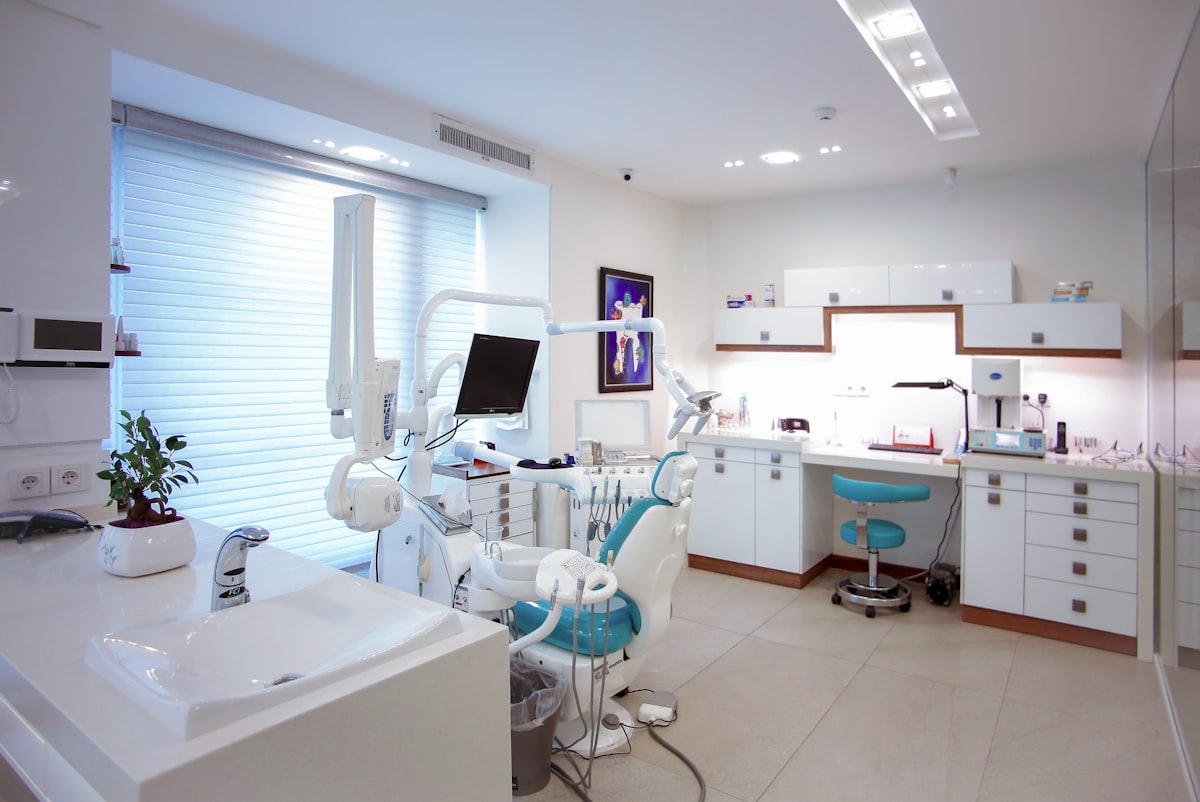
Renovating a medical office in New Jersey is fundamentally different from any other type of commercial build-out. Healthcare spaces must satisfy an overlapping set of federal, state, and local requirements that go far beyond standard construction codes. A waiting room that looks great but fails a HIPAA audit is not a successful renovation. An exam room that meets privacy standards but lacks proper accessibility is a liability.
This guide covers the major regulatory and practical requirements that medical office renovations in New Jersey must address, from patient privacy and accessibility to infection control and electrical infrastructure.
HIPAA Physical Safeguards
The Health Insurance Portability and Accountability Act requires covered entities to implement physical safeguards that protect patient health information. While most people associate HIPAA with digital security, the physical environment of a medical office plays a critical role in compliance. A renovation is the ideal time to address these requirements because many of them are built into the walls, literally.
Soundproofing Between Exam Rooms
Conversations between patients and providers are protected health information. If a patient in one exam room can overhear a diagnosis being discussed in the adjacent room, that is a HIPAA violation. Proper soundproofing requires more than standard drywall on wood studs. Medical office partitions should use acoustically rated wall assemblies that achieve a minimum Sound Transmission Class (STC) rating appropriate for healthcare settings. This typically involves double layers of gypsum board, staggered stud framing or resilient channels, and acoustic insulation within the wall cavity. Penetrations for electrical outlets, data ports, and HVAC registers must be sealed and staggered so they do not create sound paths between rooms.
Reception Area Privacy
The front desk is one of the highest-risk areas for HIPAA violations. Patients checking in should not be able to overhear conversations between staff and other patients, and computer screens displaying patient information should not be visible to anyone in the waiting area. Design considerations include raised transaction counters with privacy wings, white noise systems in the reception zone, and monitor placement that ensures screens face away from public areas. Sign-in processes should also be evaluated during the design phase to ensure that patient names and visit reasons are not exposed.
Secure Records Storage
Even in an era of electronic health records, many medical practices maintain physical files. HIPAA requires that paper records containing protected health information be stored in locked, access-controlled areas. A renovation should include dedicated file storage rooms or built-in cabinetry with locking mechanisms, positioned in areas that are not accessible to patients or unauthorized personnel.
ADA Accessibility Requirements
Medical facilities are places of public accommodation under the Americans with Disabilities Act, and they are held to strict accessibility standards. New Jersey also enforces the Barrier Free Subcode under the Uniform Construction Code, which in some cases exceeds federal ADA minimums.
Entrances and Corridors
The primary entrance to a medical office must be accessible, with automatic door openers or hardware that can be operated with minimal force. Interior corridors must be wide enough to accommodate wheelchairs, walkers, and medical transport equipment. Flooring must be firm, stable, and slip-resistant, with flush transitions between different flooring materials.
Accessible Exam Rooms
At least one exam room, and often more depending on the size of the practice, must be fully accessible. This means the room must have adequate clear floor space for a wheelchair to maneuver, a height-adjustable examination table, and accessible routes to all equipment. Doorways to accessible exam rooms must meet minimum clear width requirements, and lever-style door hardware is required.
Restrooms
Accessible restrooms in a medical office must comply with both ADA and NJ Barrier Free Subcode dimensions for clear floor space, grab bar placement, toilet height, sink clearance, and mirror height. In medical settings, restrooms may also need to accommodate specimen collection, which introduces additional design considerations for counter space, pass-through cabinetry, and privacy.
Wayfinding and Signage
All signage in a medical office must meet ADA requirements for tactile lettering, Braille, and mounting height. Wayfinding should be clear and intuitive, particularly for patients who may be elderly, visually impaired, or navigating the space under stress.
NJ Building Code Requirements for Healthcare Spaces
Medical offices in New Jersey fall under specific use group classifications in the NJ Uniform Construction Code. Depending on the scope of services provided, a medical office may be classified differently than a standard business occupancy, which triggers additional code requirements.
Fire Protection and Life Safety
Healthcare occupancies may require enhanced fire protection systems including automatic sprinklers, fire-rated corridor walls, and specific egress configurations. Alarm and notification systems must account for patients who may have limited mobility or who may be under sedation. Exit pathways must be clear, properly marked, and wide enough to accommodate stretchers or wheelchairs.
Plumbing and Sanitation
NJ plumbing codes for medical facilities require specific fixture counts based on occupant load and the type of medical services offered. Exam rooms and procedure rooms may require handwashing sinks that meet healthcare standards, including hands-free operation. Facilities that handle biological waste must have appropriate plumbing connections and disposal systems that comply with both building code and NJ Department of Health regulations.
Ventilation and HVAC
Medical offices have ventilation requirements that exceed standard commercial spaces. Exam rooms, procedure rooms, and lab areas require specific air change rates and may need dedicated exhaust systems depending on the procedures performed. HVAC design must also account for temperature and humidity control in areas where medications or biological samples are stored.
Infection Control Considerations
The physical environment of a medical office directly impacts infection control, and material selections made during a renovation have long-term consequences for patient safety and maintenance.
Surface Materials
Every surface in a clinical area should be selected for cleanability and resistance to healthcare-grade disinfectants. Porous materials like natural stone, unfinished wood, and fabric wall coverings are generally inappropriate for exam rooms and procedure areas. Instead, medical offices should use solid surface countertops, sheet vinyl or welded seam flooring, fiberglass reinforced panels or epoxy-coated walls in high-use clinical zones, and antimicrobial hardware where possible. Joints, seams, and transitions should be minimized because they harbor bacteria and are difficult to sanitize.
Casework and Millwork
Custom cabinetry in medical spaces should be constructed with non-porous surfaces, sealed edges, and integrated backsplashes that eliminate gaps between the counter and wall. Open shelving in clinical areas should be avoided in favor of enclosed, easily cleaned storage. Drawer and cabinet pulls should be designed for easy cleaning, with smooth profiles that do not trap debris.
Electrical Requirements for Medical Equipment
Medical offices have electrical demands that far exceed a typical commercial space. Diagnostic imaging equipment, autoclaves, laboratory instruments, and patient monitoring systems all require dedicated circuits, specific voltage configurations, and in many cases, isolated ground systems.
Power Distribution
A renovation must include a thorough assessment of the electrical service capacity relative to the equipment the practice intends to operate. Many medical devices require 208V or 240V circuits, and imaging equipment may draw significant amperage that necessitates electrical panel upgrades. Dedicated circuits must be provided for critical equipment to prevent interference and ensure consistent power delivery.
Emergency Power and UPS
Depending on the services offered, NJ code and accreditation standards may require emergency power systems or uninterruptible power supplies for life safety equipment, refrigerated medication storage, and essential medical devices. The electrical design should account for these systems from the outset rather than retrofitting them after construction.
Data and Communication Infrastructure
Modern medical offices require robust data infrastructure for electronic health records, telehealth, diagnostic equipment networking, and communication systems. Low-voltage wiring for data, phone, and security systems should be planned alongside the electrical layout to avoid conflicts and ensure adequate outlet and data port placement in every clinical and administrative space.
Waiting Room Design
The waiting room is the first physical environment a patient experiences, and in a medical office, its design must balance comfort, accessibility, infection control, and operational efficiency.
Seating layouts should accommodate wheelchairs and mobility devices with clear floor space that does not force patients to navigate around obstacles. Furniture should be commercial healthcare-grade with surfaces that can be wiped down with medical disinfectants without degrading. Fabric upholstery that cannot withstand bleach-based cleaners has no place in a medical waiting room.
Check-in and reception workflows should be designed to minimize congestion at the front desk and protect patient privacy during the intake process. Separate waiting zones for well patients and sick patients may be appropriate depending on the type of practice. Restrooms should be easily accessible from the waiting area without requiring patients to pass through clinical zones.
Lighting should be even and comfortable, avoiding harsh overhead fluorescents that contribute to patient anxiety. Acoustic treatment in the waiting area helps reduce noise levels and contributes to the overall sense of a well-managed clinical environment.
Working With a Contractor Who Understands Healthcare Construction
Medical office renovations require a contractor who understands the intersection of construction, healthcare regulations, and the day-to-day operations of a medical practice. Code compliance alone is not sufficient. The finished space must support efficient clinical workflows, satisfy accreditation requirements, and create an environment where patients feel safe and providers can deliver quality care.
At Symmetrical Wolf, we work with medical practices across New Jersey to plan and execute renovations that meet every regulatory requirement while delivering a functional, professional space. From initial code analysis through final inspection, our team manages the complexity so you can focus on your patients.
Related Services: