Kitchen Remodel Mistakes NJ Homeowners Regret
Avoid the most common kitchen remodeling mistakes that New Jersey homeowners wish they knew before starting. From storage to lighting to layout.
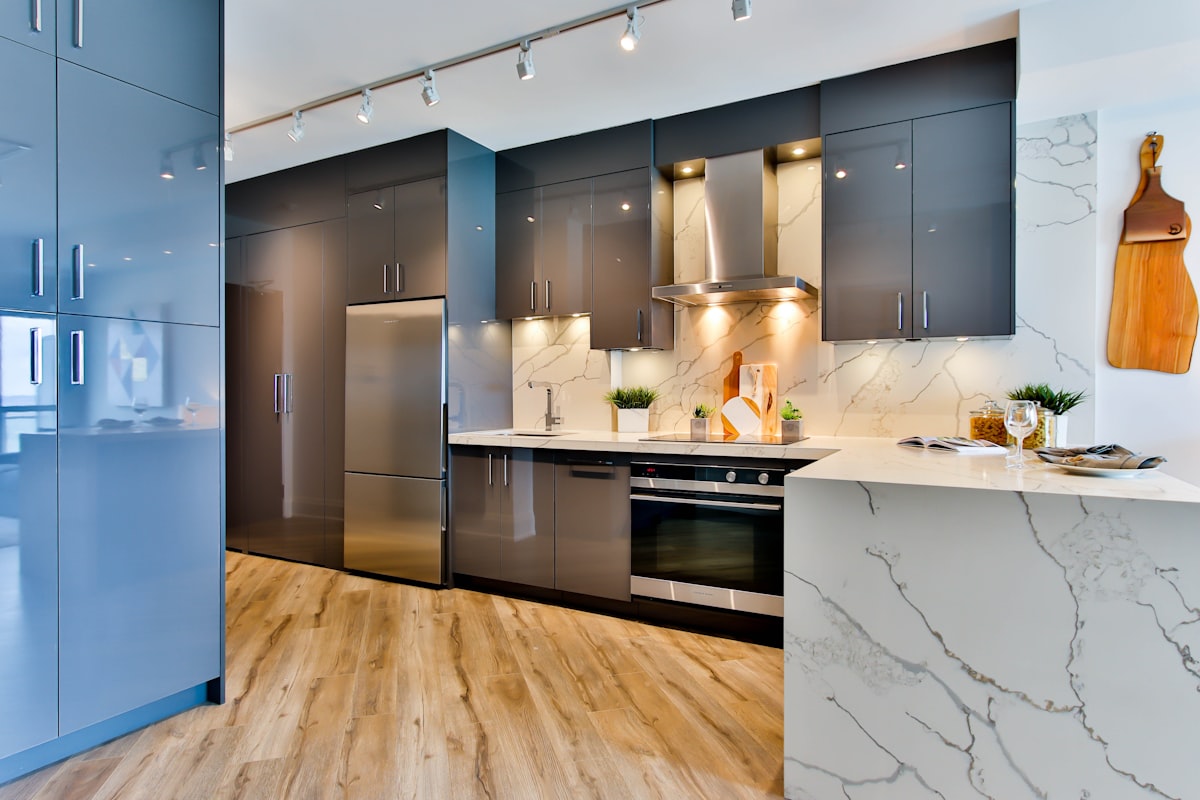
A kitchen remodel is one of the most rewarding home improvements you can make, but it is also one of the easiest to get wrong. After working with homeowners across New Jersey, we have seen the same regrets come up again and again. The good news is that every one of these mistakes is avoidable if you plan for it before demolition starts.
Here are the eight kitchen remodeling mistakes NJ homeowners wish they had known about, and what to do instead.
1. Not Planning Enough Storage
This is the number one regret we hear. Homeowners focus on the look of their new kitchen and underestimate how much storage they actually need. Once the cabinets are installed and the appliances, cookware, small appliances, pantry items, and cleaning supplies go back in, the kitchen feels just as cramped as the old one.
The fix: Before selecting cabinets, do a full inventory of everything that lives in your kitchen. Account for items you currently store elsewhere because you ran out of room. Then work with your designer to incorporate pull-out shelves, deep drawers instead of lower cabinets, a dedicated pantry cabinet, and vertical dividers for baking sheets and cutting boards. Our partnership with NJ Kitchen Cabinets gives clients access to a wide range of cabinet configurations specifically designed to maximize every inch of usable space. You can visit their Raritan showroom to see these storage solutions in person and test how different drawer systems and organizers work before committing.
2. Poor Lighting Design
A single overhead fixture is not enough to light a working kitchen. Homeowners who skip a proper lighting plan end up with shadows on their countertops, a dim sink area, and no way to set the right mood when the kitchen is being used for entertaining rather than cooking.
The fix: Design your kitchen lighting in three layers. Ambient lighting provides overall illumination, typically through recessed ceiling fixtures or a central fixture. Task lighting targets the specific areas where you prep, cook, and clean, including under-cabinet lights above countertops and pendant lights over an island or peninsula. Accent lighting adds depth and highlights design features like glass-front cabinets, open shelving, or a decorative backsplash. Planning all three layers from the start means the electrical rough-in happens once and you avoid tearing into finished walls later.
3. Following Trends Over Function
It is tempting to replicate the kitchen you saw on a design blog or social media, but trends change faster than kitchens do. Open shelving looks beautiful in a styled photo but collects grease and dust in a real kitchen. An all-white palette photographs well but shows every fingerprint and splash. Ultra-thin countertop edges look sleek but may not hold up to the way your family actually uses the kitchen.
The fix: Use trends as inspiration, not as your blueprint. Start every design decision by asking how you actually cook, eat, and live in your kitchen. If you entertain frequently, prioritize counter space and seating. If you have young children, choose durable materials that forgive spills and impacts. A trend that aligns with how you use your kitchen is worth adopting. A trend that works against your daily routine is one you will regret within a year.
4. Ignoring the Work Triangle
The work triangle is the relationship between your sink, stove, and refrigerator. These three points should form a triangle with each leg measuring between four and nine feet, with no major obstacles crossing through it. When the work triangle is off, cooking becomes inefficient. You end up walking too far between tasks or bumping into other people and open cabinet doors.
The fix: Before finalizing your layout, map the work triangle on your floor plan. Walk through your typical cooking routine mentally. Where do you pull ingredients from the fridge? Where do you wash and prep them? Where do you cook? The path between these stations should be short, direct, and unobstructed. If your kitchen includes an island, make sure it enhances the triangle rather than interrupting it. A 3D design model is one of the most effective ways to test this before anything is built.
5. Choosing the Wrong Countertop Material
Countertop material is one of the most visible decisions in a kitchen remodel, and choosing based on appearance alone leads to regret. Natural marble stains easily and requires regular sealing. Butcher block needs oiling and is vulnerable to water damage around the sink. Certain granites are more porous than homeowners expect.
The fix: Match the countertop material to your lifestyle. If you cook frequently and want low maintenance, engineered quartz offers durability and stain resistance without the upkeep of natural stone. If you love the look of marble but need practicality, consider a marble-look quartz that gives you the aesthetic without the anxiety. Visiting the NJ Kitchen Cabinets showroom in Raritan is a smart step here because you can see and touch full-slab samples alongside your cabinet selection, making it much easier to evaluate how a material will perform in your actual kitchen rather than judging from a small chip sample.
6. Not Planning Enough Electrical Outlets
Kitchens demand more electrical capacity than most homeowners realize. Between the coffee maker, toaster, stand mixer, phone charger, and any other countertop appliances, outlet shortages lead to extension cords draped across countertops or constant unplugging and re-plugging.
The fix: Plan your outlet placement based on how you use each section of counter space. The National Electrical Code requires outlets every four feet along countertop surfaces, but consider going beyond code minimums. Add outlets inside pantry cabinets for charging stations, inside drawers for hair tools or device charging, and on the island where they are most convenient. Pop-up outlets in the island countertop keep the look clean while providing access when you need it. Address outlet placement during the design phase so the electrician can rough in wiring before drywall goes up.
7. Forgetting About Ventilation
Proper ventilation is one of the most overlooked elements in a kitchen remodel. Without an effective range hood or ventilation system, cooking odors, grease particles, and moisture linger in the kitchen and migrate to adjoining rooms. Over time, poor ventilation leads to grease buildup on cabinets and ceilings, and excess moisture can contribute to mold growth.
The fix: Invest in a range hood that is properly sized for your cooktop. The hood should be at least as wide as the cooking surface, and the fan should be rated to move enough air for the BTU output of your range. Ducted ventilation that exhausts to the outside is always preferable to recirculating systems that filter and return air to the kitchen. If your kitchen layout makes a traditional hood impractical, downdraft ventilation or a ceiling-mounted hood are alternatives worth discussing with your contractor during the design phase.
8. Skipping the Design Phase
Some homeowners try to save money by going straight to construction without a formal design. They pick cabinets from a catalog, choose a countertop at the stone yard, and hand a rough sketch to the installer. The result is a kitchen that might have nice individual components but does not come together as a cohesive, functional space. Worse, it often leads to costly change orders when problems are discovered during installation.
The fix: A professional design phase is not an extra cost. It is insurance against expensive mistakes. A full 3D rendering lets you see your kitchen from every angle before a single cabinet is ordered. You can test material combinations, verify that appliances fit their openings, confirm that doors and drawers clear each other, and ensure the lighting plan covers every work surface. At Symmetrical Wolf, we build detailed 3D models as part of our kitchen remodeling process so that every decision is made with full visibility, not guesswork.
Plan It Right the First Time
A kitchen remodel is too significant an investment to leave to trial and error. Every one of these mistakes is preventable with the right planning, the right materials, and a design process that catches problems on screen instead of on site. Take the time to think through storage, lighting, layout, materials, electrical, and ventilation before your project begins, and you will end up with a kitchen you are proud of for years to come.
Related Articles:
- Using AI to Plan Your Kitchen Remodel
- How to Use 3D Design to Visualize Your Remodel Before Construction
- Bathroom Lighting Fixtures and Trends
Related Services: