Garage Conversions and ADUs in NJ: What's Legal, What's Not
Thinking about converting your garage or building an ADU in New Jersey? Here's what NJ zoning laws allow, what permits you need, and what to consider.
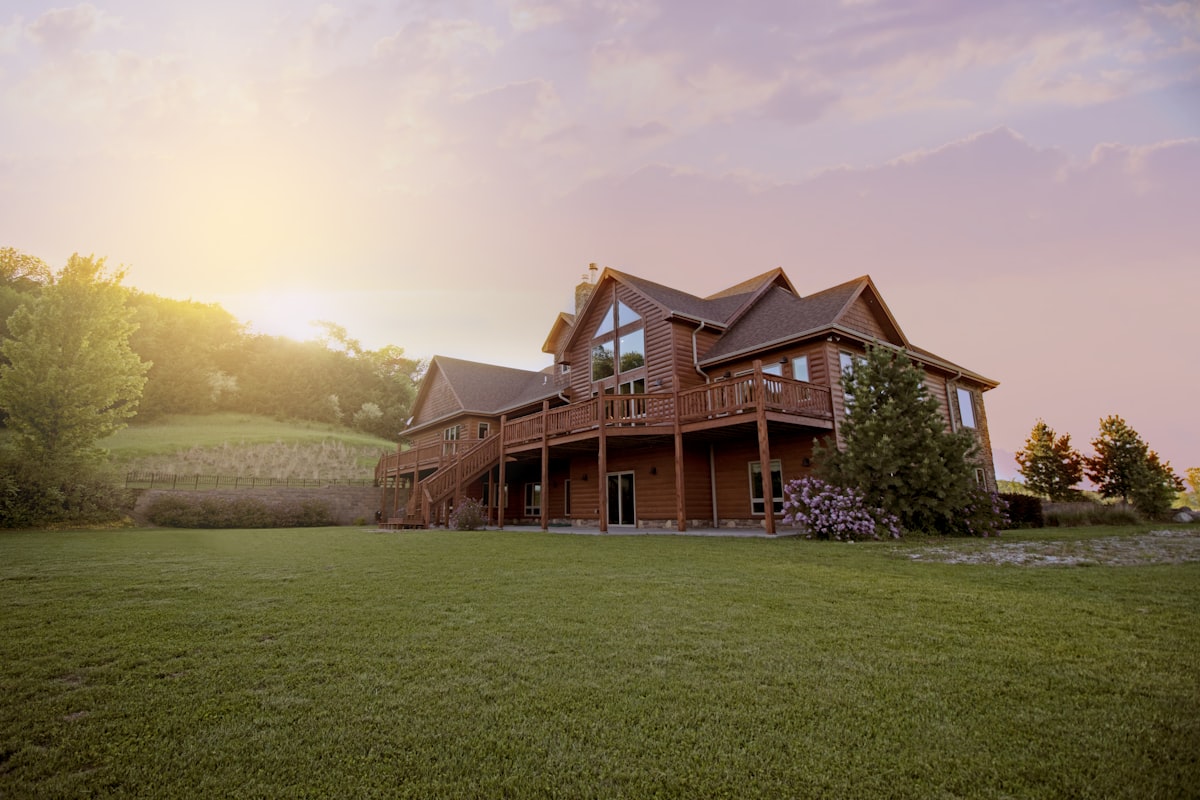
Across New Jersey, homeowners are looking for ways to add living space without the cost and disruption of a full-scale addition. Two options that come up frequently are garage conversions and accessory dwelling units, commonly called ADUs. Both can be excellent ways to gain usable square footage, but in New Jersey, zoning regulations, building codes, and permit requirements vary dramatically from one municipality to the next. Before you start planning, it is critical to understand what is allowed in your town, what the construction requirements are, and whether the project will actually add value to your property.
What Is an ADU?
An accessory dwelling unit is a self-contained residential unit located on the same lot as a primary single-family home. ADUs go by many names -- in-law suite, granny flat, secondary unit, or backyard cottage. They typically include a kitchen or kitchenette, a bathroom, a sleeping area, and a separate entrance.
ADUs can take several forms:
- Detached structures built in the backyard or side yard
- Attached additions connected to the main house
- Interior conversions carved out of existing space such as a basement or upper floor
- Garage conversions where an attached or detached garage is transformed into living quarters
Each type comes with its own set of zoning and code requirements, and not all municipalities in New Jersey permit every type.
NJ Zoning: It Varies by Municipality
New Jersey does not have a single statewide zoning code that governs ADUs and garage conversions uniformly. Zoning is controlled at the municipal level, which means what is perfectly legal in one town may be prohibited or require a variance in the next town over.
Some municipalities have updated their zoning ordinances to explicitly allow ADUs, particularly in response to the state's affordable housing obligations under the Mount Laurel doctrine. Others still restrict properties to a single dwelling unit per lot, making any ADU or garage conversion that creates a separate living space a non-starter without a zoning variance.
Before investing any time or money in planning, contact your local building department or zoning office. Ask specifically whether ADUs or garage conversions to habitable space are permitted in your zone, whether there are size or occupancy restrictions, and what the approval process looks like.
Recent ADU Legislation in New Jersey
New Jersey has taken steps in recent years to encourage ADU development as a strategy for addressing the state's housing shortage. Legislative proposals have sought to require municipalities to permit ADUs in residential zones, reduce barriers to construction, and streamline the approval process.
The NJ Accessory Dwelling Unit Act has been a focal point of this effort, aiming to establish a statewide framework that would override local prohibitions in certain circumstances. The intent is to give homeowners more flexibility while maintaining reasonable standards for safety, parking, and neighborhood character. However, the specifics of what has been enacted and how individual towns are implementing these changes continue to evolve. Always verify the current status of ADU legislation with your municipality or a local land use attorney, as the regulatory landscape may have shifted since this article was written.
Garage Conversion Requirements
Converting a garage into livable space is one of the most common ADU approaches because the basic structure -- walls, roof, and foundation -- already exists. However, garages are not built to the same standards as habitable rooms, and bringing one up to code involves significant work.
Insulation and Weatherproofing
Garages are typically uninsulated. To meet New Jersey's residential building code, you will need to insulate the walls, ceiling, and in many cases the garage door opening, which is usually framed in and finished with a standard exterior wall. New Jersey follows the International Energy Conservation Code, which sets minimum R-values for insulation depending on the climate zone.
HVAC
Habitable rooms require adequate heating and, depending on the municipality, may also require cooling. You will need to either extend your existing HVAC system or install a dedicated system for the converted space. Ductless mini-split systems are a popular choice for garage conversions because they provide both heating and cooling without requiring ductwork.
Electrical
Most garages have only minimal electrical service -- a few outlets and an overhead light on a single circuit. A habitable room requires additional circuits, properly spaced outlets per code, adequate lighting, and potentially a subpanel if the existing electrical panel cannot support the added load. All electrical work must be performed to the current NJ Electrical Subcode and inspected.
Flooring Over Slab
Garage floors are concrete slabs, often sloped toward the door for drainage and typically lower than the main house floor level. Converting this to a comfortable living surface usually involves installing a moisture barrier, rigid foam insulation or a subfloor system, and then the finished flooring material. Addressing moisture is essential -- garage slabs are rarely sealed from below, and moisture vapor transmission through untreated concrete can lead to mold and material failure over time.
Egress
Building code requires that habitable rooms, especially bedrooms, have proper egress. This means at least one window that meets minimum size requirements for emergency escape -- typically a minimum net clear opening of 5.7 square feet with specific height and width dimensions. If the converted garage does not have windows that meet these requirements, you will need to add or enlarge them.
Permit Requirements
In virtually every New Jersey municipality, converting a garage to habitable space requires building permits. This is not optional, and unpermitted work can create serious problems when you sell the home, file an insurance claim, or face a municipal inspection.
At minimum, expect to pull permits for:
- Building (structural changes, insulation, framing)
- Electrical (new circuits, outlets, lighting)
- Plumbing (if adding a bathroom or kitchen)
- HVAC (new heating and cooling systems)
Each permitted trade will require inspections at various stages. Some municipalities also require zoning approval or a certificate of occupancy for the change of use. If the project triggers a change in the number of dwelling units on the property, you may also need site plan approval or a zoning variance from the local planning or zoning board.
When a Garage Conversion Adds Value -- and When It Does Not
A well-executed garage conversion can add meaningful value to a property, but it is not automatic. Several factors determine whether the investment pays off.
When it adds value:
- The conversion is fully permitted and inspected, with a certificate of occupancy
- The finished space is high quality and consistent with the rest of the home
- The property is in a market where additional living space is in demand
- The conversion does not eliminate the only available parking, which can be a significant issue in dense NJ neighborhoods
When it does not add value:
- The work was done without permits, making it invisible or problematic on an appraisal
- The conversion eliminates needed garage or storage space in an area where buyers expect it
- The finished quality is noticeably lower than the rest of the home
- Local zoning does not recognize the space as habitable square footage
Appraisers and buyers both look carefully at whether converted space is permitted. Unpermitted square footage is often excluded from the appraised value entirely, which means you may not recoup your investment at resale.
Common Uses for Garage Conversions and ADUs
Homeowners pursue these projects for a wide range of reasons, each with its own set of practical considerations.
Rental income. In municipalities that allow it, an ADU can generate consistent monthly income. New Jersey's high cost of living makes rental units attractive, but landlord-tenant laws, certificate of occupancy requirements, and local rental registration rules all apply.
Housing for aging parents. An in-law suite allows family members to live nearby while maintaining independence and privacy. This is one of the most common motivations for ADU construction in New Jersey, and many municipalities are receptive to this use even where broader ADU policies are still developing.
Home office or studio. The shift toward remote and hybrid work has driven demand for dedicated workspaces. A converted garage can provide a quiet, separate environment without the cost of renting commercial space.
Additional family space. Whether it is a teenager who needs room to grow, a returning adult child, or simply the need for a guest suite, converting underused space into functional living area can improve daily life for the entire household.
Always Check with Your Local Building Department
This point cannot be overstated. New Jersey has 564 municipalities, and zoning, building codes, and permitting processes vary between them. What your neighbor's town allows may not apply in yours. Before committing to a garage conversion or ADU project, take these steps:
- Call or visit your local building and zoning office to confirm what is permitted on your specific property
- Request the relevant zoning ordinances in writing so you understand setback, size, and use restrictions
- Ask about the full permit and inspection process so there are no surprises once construction begins
- Consult a licensed contractor experienced in NJ residential work who understands local code requirements and can manage the permit process
A garage conversion or ADU can be a smart investment that adds livable space, generates income, or keeps family close. But the difference between a successful project and a costly mistake almost always comes down to doing the homework before the first wall goes up.
Related Articles:
- Navigating the Permit Process for a Bathroom Remodel
- 7 Red Flags That Your NJ Contractor Might Be a Scam
Related Services: