How AI and 3D Design Are Changing Home Remodeling in NJ
Discover how New Jersey contractors are using AI tools and 3D design software to help homeowners visualize their remodel before construction begins.
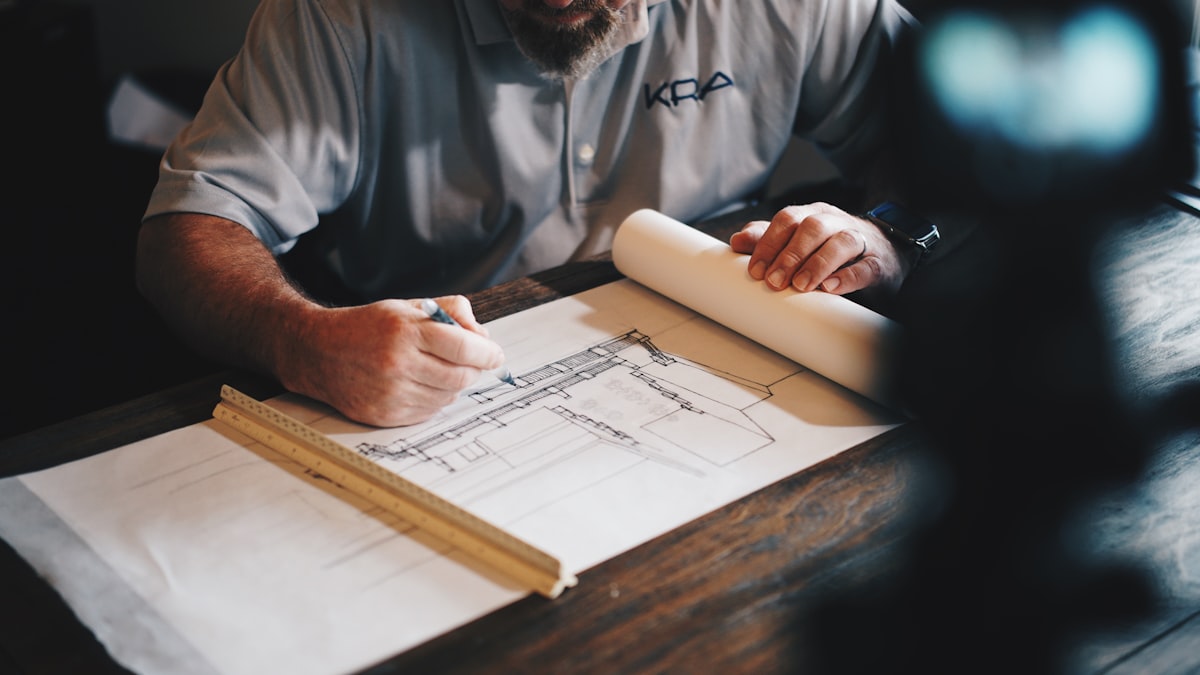
Remodeling a kitchen, bathroom, or basement has always involved a certain amount of guesswork. You study material samples under showroom lighting, squint at a floor plan, and try to imagine how it all comes together in your actual home. For most homeowners, that gap between imagination and reality is where expensive mistakes happen. AI-powered design tools and 3D rendering software are closing that gap, and New Jersey contractors who use them are delivering noticeably better outcomes for their clients.
Seeing Your Finished Space Before Demolition Starts
The most immediate benefit of 3D rendering is simple: you see your remodeled room before anyone picks up a hammer. A 3D model is built using the exact dimensions of your existing space. Your walls, windows, doors, and structural elements are all accounted for. Then your selected materials, fixtures, cabinets, and finishes are placed into the model and rendered with realistic lighting.
The result is a photorealistic image that shows your finished kitchen, bathroom, or living space from multiple angles. You are not looking at a flat sketch or a generic inspiration photo from a design magazine. You are looking at your room, with your layout, showing the specific products you are considering. That distinction matters because it replaces speculation with information. You can evaluate proportions, flow, and visual balance using an accurate representation of the space you will actually live in.
Comparing Material Options Without Buying Samples
One of the most practical applications of 3D design is material comparison. Traditionally, choosing between tile options meant ordering physical samples, holding them against your existing surfaces, and hoping you could visualize the result at scale. A four-inch tile sample tells you very little about how that tile will look covering an entire shower wall or kitchen backsplash.
With a 3D model, your designer can swap materials in minutes. Want to see how five different tile options look in your bathroom? Each variation can be rendered at full scale, showing how the tile interacts with your vanity finish, your grout color, your lighting, and the rest of the room. The same applies to countertop materials, cabinet finishes, flooring, and hardware. You can compare a marble-look quartz against genuine marble against a solid surface material, all within the context of your actual room dimensions and layout.
This is not about eliminating showroom visits entirely. Touching and feeling a material still matters. But 3D rendering narrows your choices to a shortlist of options that you already know work visually in your space, so every showroom visit is productive rather than overwhelming.
Reducing Mid-Project Changes
Change orders are one of the biggest budget problems in residential remodeling. A homeowner approves a design on paper, construction begins, and then they see the tile going up and realize the pattern feels too busy against the countertop they chose. Or the cabinet layout looked fine on a floor plan but feels cramped once the boxes are installed. At that point, reversing the decision costs real money in labor, materials, and schedule delays.
3D design catches these conflicts during the planning phase when changes cost nothing. When you can see the complete room rendered from multiple perspectives, you spot problems that are invisible on a flat drawing. The backsplash pattern that competes with the countertop veining. The pendant lights that hang too low over the island. The shower niche that is positioned awkwardly relative to the showerhead. Every one of these issues is a potential change order during construction, and every one of them is easy to fix in a 3D model before materials are ordered.
AI-Assisted Layout Optimization
Beyond rendering, AI is now playing a role in the layout planning itself. AI-driven design tools can analyze a room's dimensions, structural constraints, and plumbing or electrical locations, then generate multiple layout options optimized for traffic flow, storage, and usable counter space.
This does not replace the judgment of an experienced designer. It accelerates the process. Instead of starting from a single layout concept and iterating manually, a designer can use AI-generated suggestions as a starting point, then refine the best option based on the homeowner's specific priorities. For kitchens, AI can evaluate work triangle efficiency and flag layouts where the path between the sink, stove, and refrigerator is too long or obstructed. For bathrooms, it can identify opportunities to gain clearance or improve storage by adjusting fixture placement by just a few inches.
The practical result is that homeowners see more layout options earlier in the process, and the final layout is informed by spatial analysis rather than convention alone.
Virtual Walkthroughs Reveal What Flat Plans Cannot
Static 3D renders are valuable, but virtual walkthroughs take the concept further. A walkthrough lets you move through your future space from a first-person perspective. You can stand in the doorway and look across the room. You can check whether the refrigerator door clears the island when fully open. You can see the sightline from the kitchen to the living room and evaluate whether the layout supports the open feel you want.
This is especially useful for New Jersey homes where space is often limited. Many NJ kitchens and bathrooms work within compact footprints, and a few inches of clearance can make the difference between a layout that feels comfortable and one that feels cramped. A virtual walkthrough exposes those spatial realities in a way that even a well-drawn floor plan cannot.
How NJ Homeowners Are Using These Tools
Homeowners across New Jersey are increasingly treating 3D design as a standard part of the remodeling process rather than a luxury add-on. During the consultation phase, they bring inspiration images and material preferences, and they expect to see those choices rendered in their actual space before approving anything.
This shift has changed the dynamic between homeowners and contractors. Decisions happen faster because there is less ambiguity. Homeowners are more confident in their approvals because they have seen the result, not just imagined it. Contractors benefit too, because a fully visualized design reduces miscommunication with tradespeople and suppliers. Everyone is working from the same detailed reference.
For homeowners who want to experiment on their own before hiring a contractor, consumer tools like RoomSketcher, Planner 5D, and Houzz Visual Match offer a starting point. These are useful for early exploration, but they lack the precision of a professional 3D model that accounts for exact room dimensions, structural constraints, plumbing locations, and real material specifications.
How Symmetrical Wolf Uses 3D Design
At Symmetrical Wolf, 3D design is built into our remodeling process. After we measure your space and discuss your goals, our team builds a detailed 3D model using your exact room dimensions and the specific materials you are considering. We generate renders from multiple angles so you can evaluate the design thoroughly, and we walk you through revision rounds until you are satisfied with every detail.
The approved 3D design then serves as the construction blueprint. Every tradesperson working on your project references the same visual, which eliminates the interpretation gaps that cause problems on site. When the tile installer, plumber, and electrician all see the same photorealistic rendering of the finished space, the work aligns with your expectations from day one.
This process works for kitchens, bathrooms, basements, and any space where getting the design right before construction starts saves you money and stress.
Making Confident Decisions
The core value of AI and 3D design tools is not the technology itself. It is the confidence they give homeowners. When you can see your finished space before committing, compare materials at full scale in your actual room, and walk through the layout virtually, you make decisions based on evidence rather than hope. That leads to better outcomes, fewer regrets, and a remodeling experience that feels controlled instead of chaotic.
If you are planning a remodel in New Jersey, look for a contractor who includes 3D design in their process. It is one of the clearest indicators that they prioritize getting the result right, not just getting the project done.
Related Articles:
Related Services: